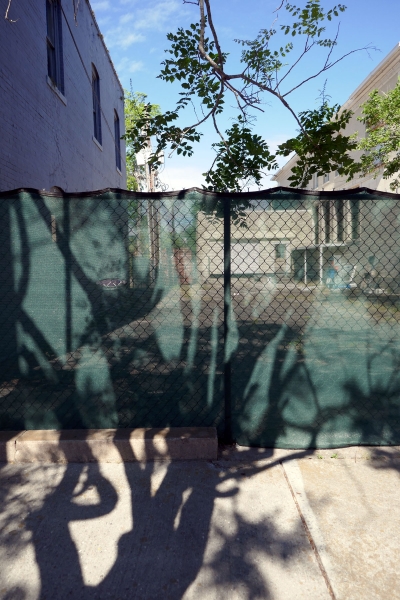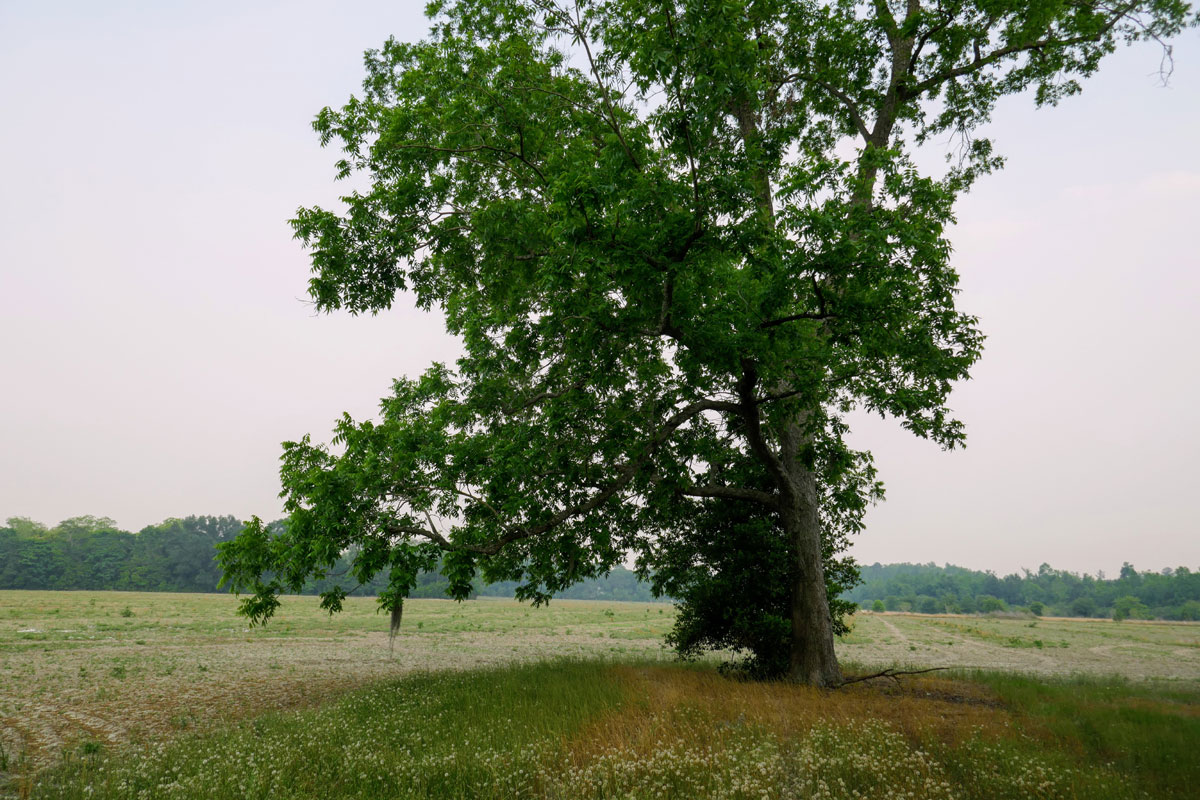


The challenge of photographing a small town is that… it’s small. By big-city standards it can feel almost empty. Where are all the people?
In New York or Chicago you only have to walk a few blocks before you’re assaulted by sights, sounds, and smells that have you snapping pictures constantly. Everything is oversized. The challenge there is deciding what not to photograph.
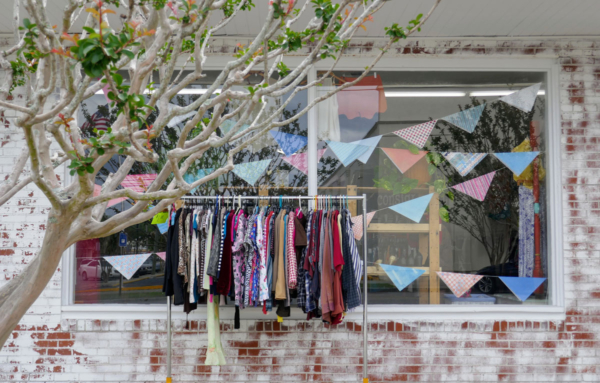
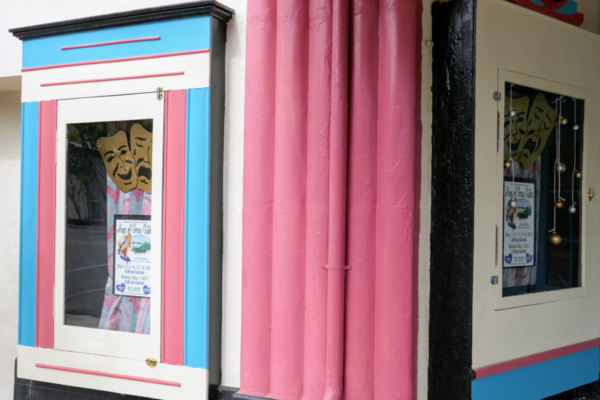
Small towns have to be discovered on their terms, meaning you have to move slower and look deeper. Things that you might overlook in a big city amidst the sensory overload, little details and subtleties, now attract your photographic attention. You see more things when you’re more open to seeing. The resulting images may be less dramatic and sensational, but true to the character of the place.
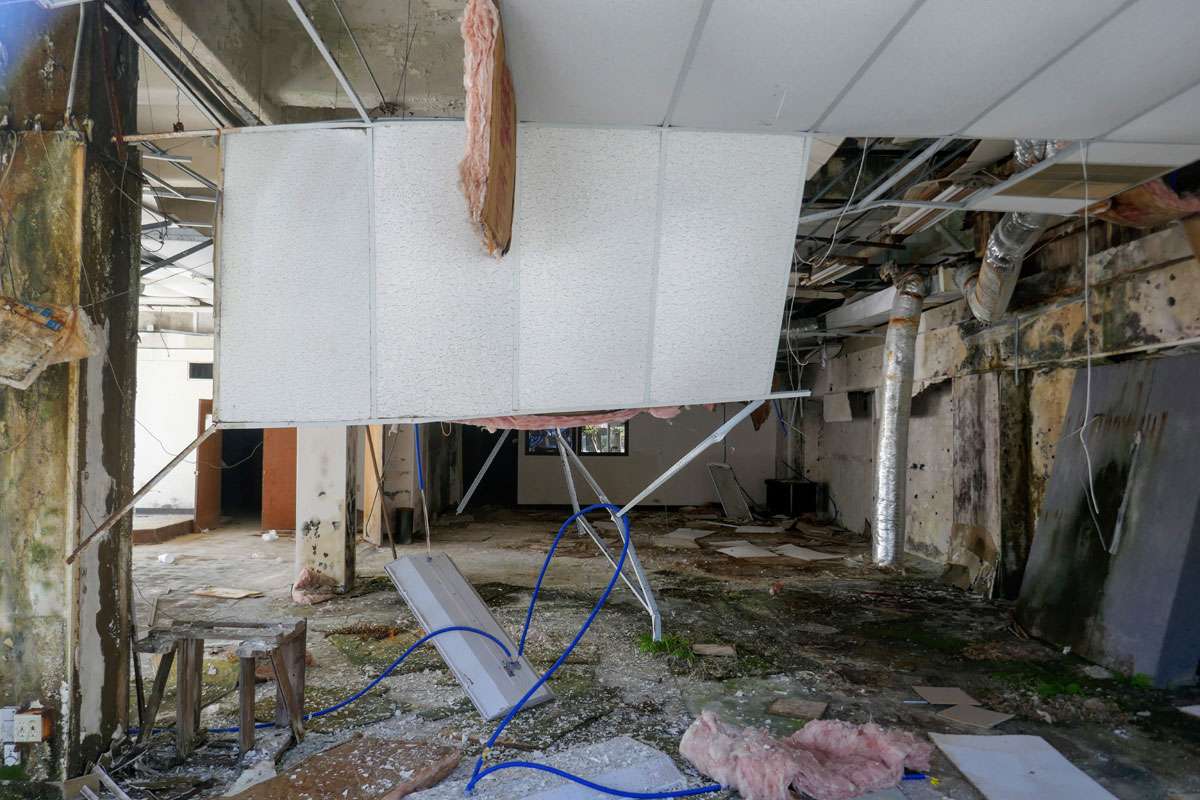
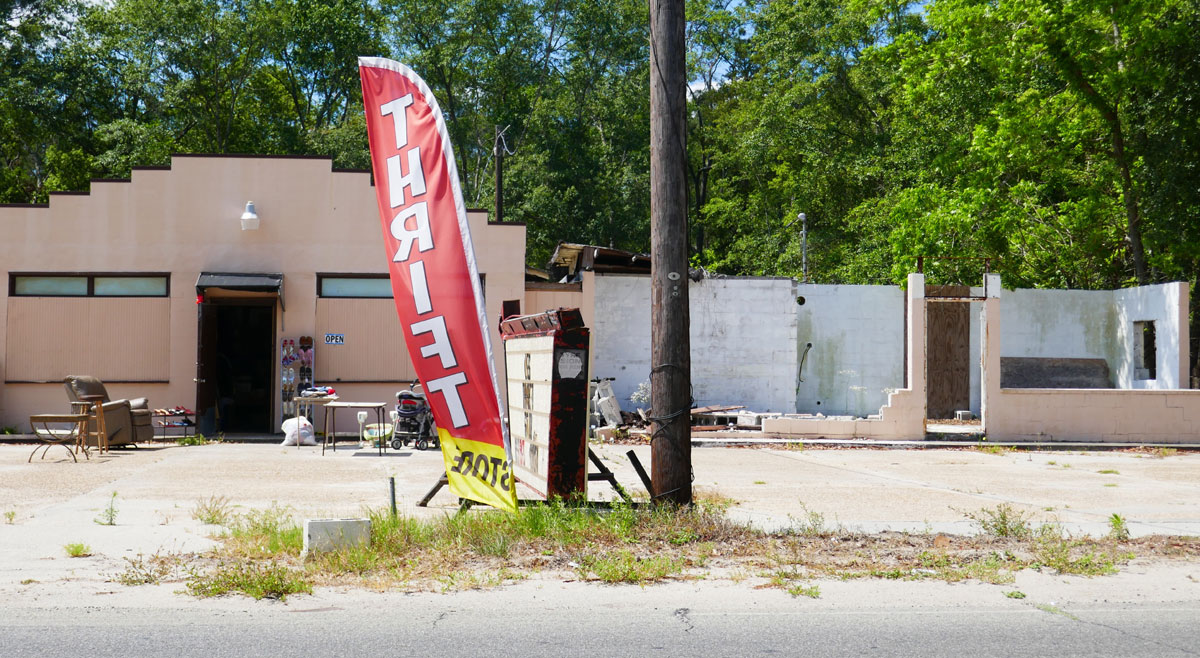
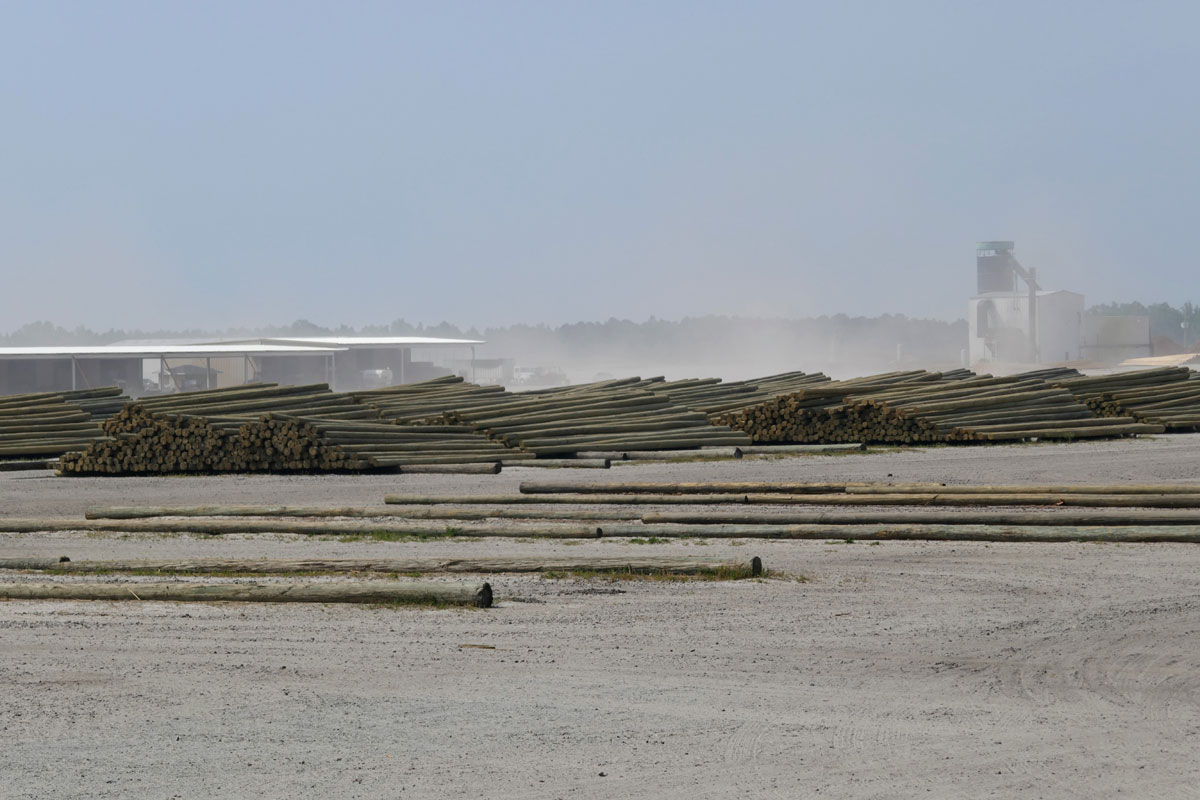
And so it was when I spent five days photographing Waycross, Georgia, population 14,000. I was immediately aware that I was in a town with a rich history of railroading and forestry, but one that had fallen on very hard times. The sheer amount of vacant and abandoned commercial buildings throughout the city is startling.
Statistics tell the underlying story. Household income today is less than half of the national average: $26,000 vs. $53,000. The population—just over half African American—fell nearly eight percent between 2000 and 2014. More than a third of the population (13,780 people) live below the poverty line. This is higher than the national average of 14.7%.
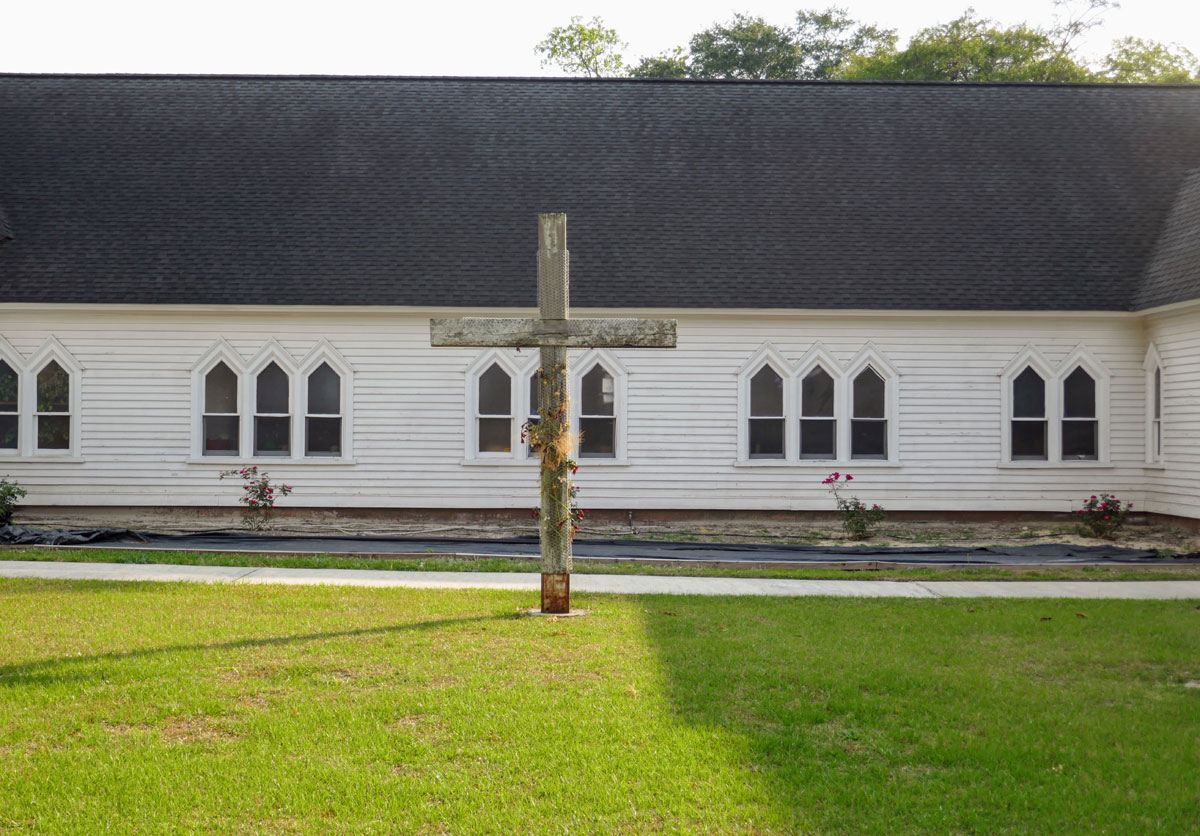
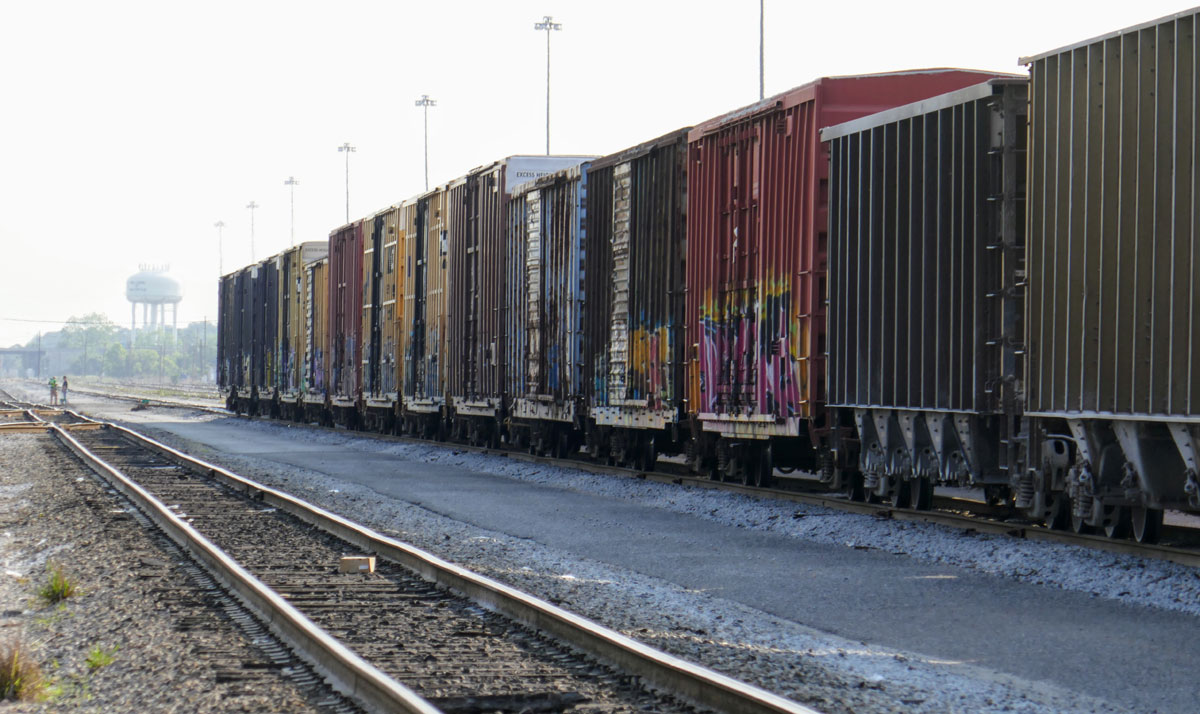
The signs of poverty and struggle are everywhere. Yet, there are countervailing signs. The large Waycross Mall seems to be bustling and every fast-food chain has at least one restaurant somewhere in the city. CSX operates a huge rail yard on the outskirts of the city and train whistles seem to blast the quietness of the town at least once an hour. And God surely has his hand on the city as there also seem to be more churches per capita than any city in America, though I have no statistics to back this up.
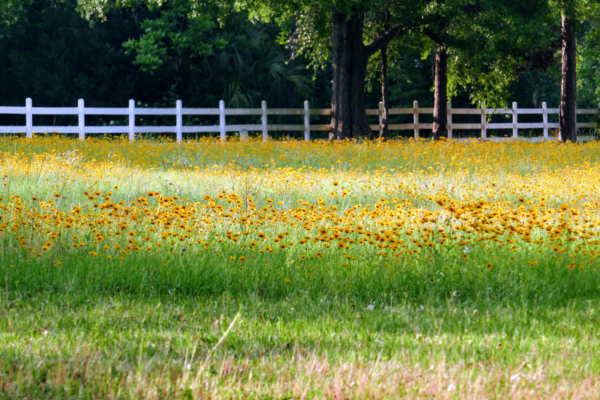
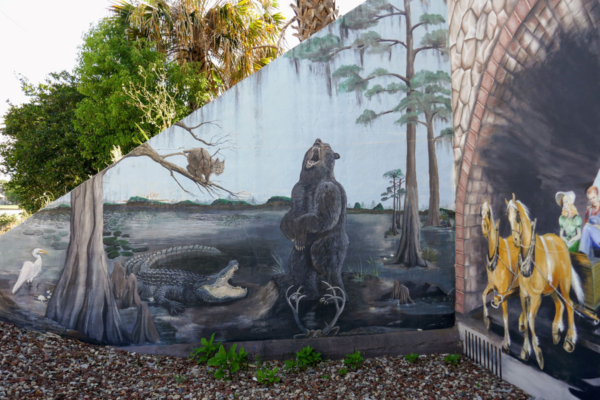
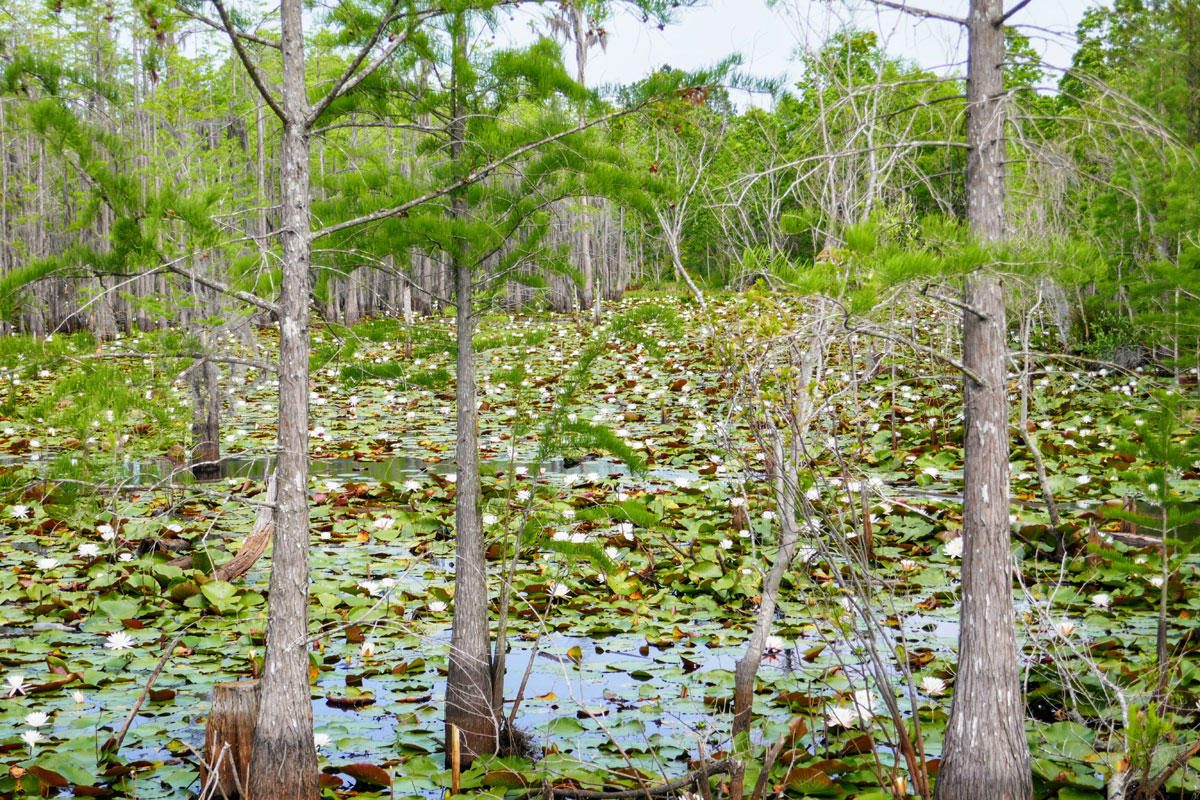
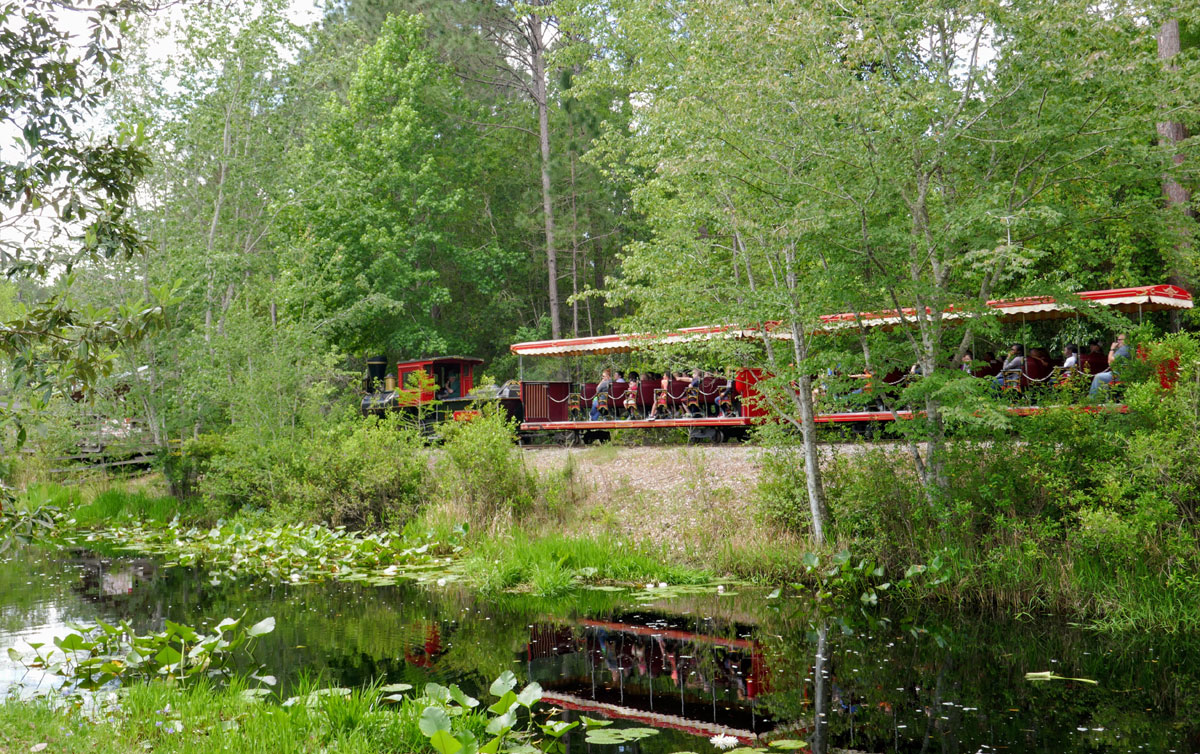
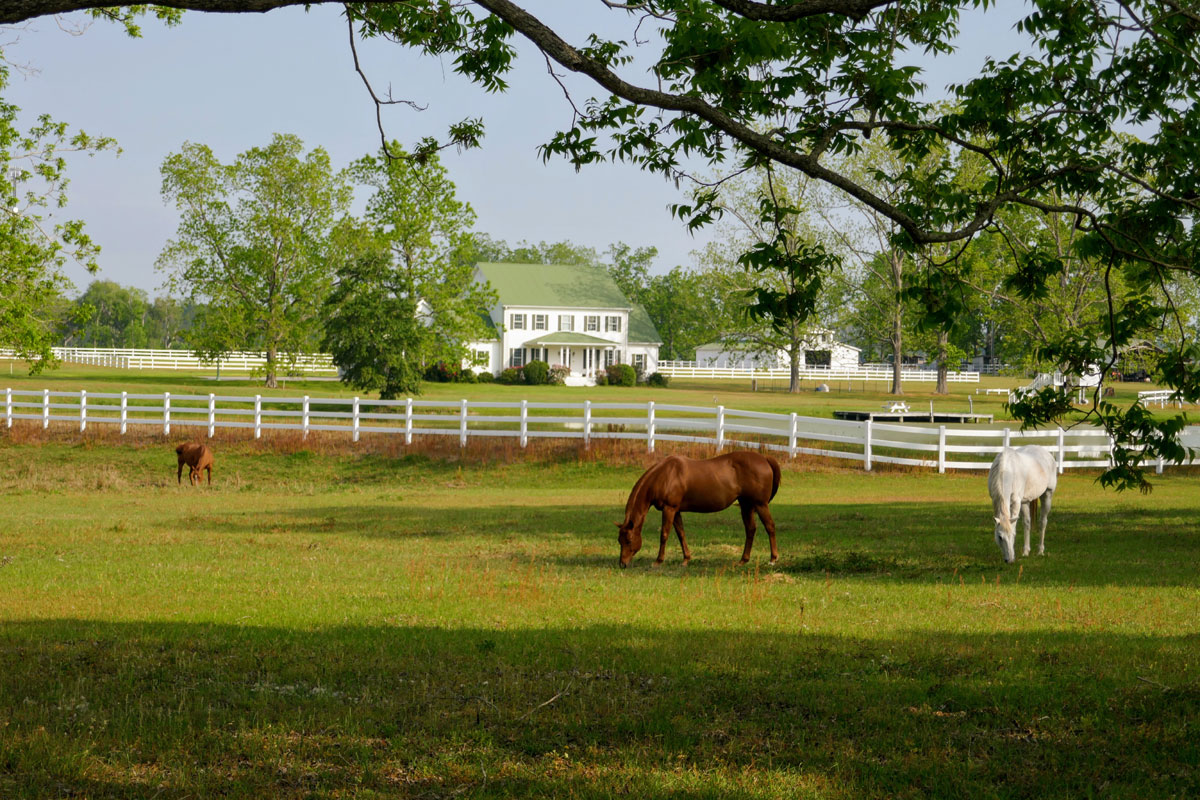
The other thing that Waycross and nearby Blackshear have in common is an abundance of natural beauty, from the giant Okefenokee Swamp and Laura Walker State Park, to lakes, gardens, horse farms, parks, fields and forests. There is an amazing field of blooming prairie in the middle of nearby Blackshear (population 3,800) owned and maintained by the First Baptist Church of Blackshear.
If you paid any attention to the 2016 Presidential election, you would quickly surmise that Waycross is Trump Country through and through. If you had to make the case that a city in disrepair and decline was the very definition of Trump Country, the signs of victory are everywhere; truly a sight for sore eyes. And indeed, Trump carried Ware County where Waycross sits by a 70 to 28 percent margin.
Is Waycross a microcosm of the thousands of other small towns across America, struggling to survive and, more importantly, have a voice in the future of the country? Perhaps that answer lies in the rest of the country, especially those in major metropolitan cities, becoming aware of the realities of life far from the madding crowds. I hope that this set of photographs offers a few insights into that reality.
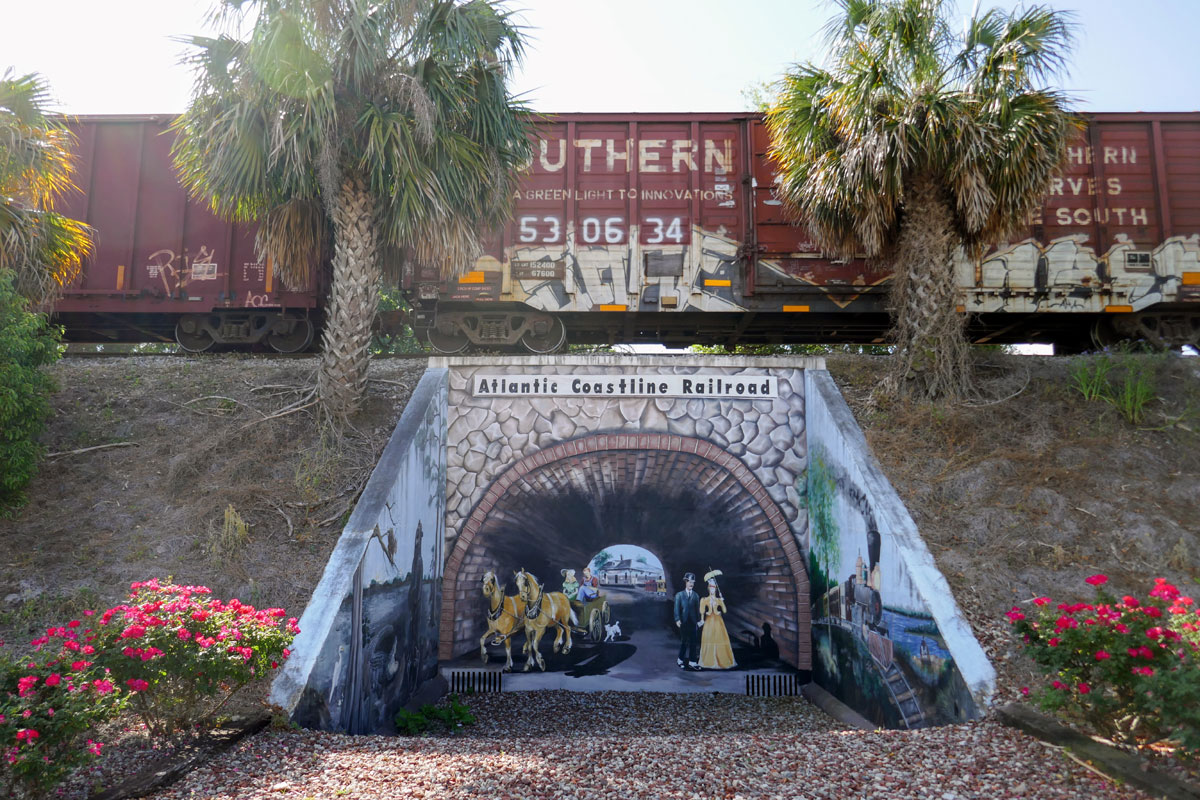
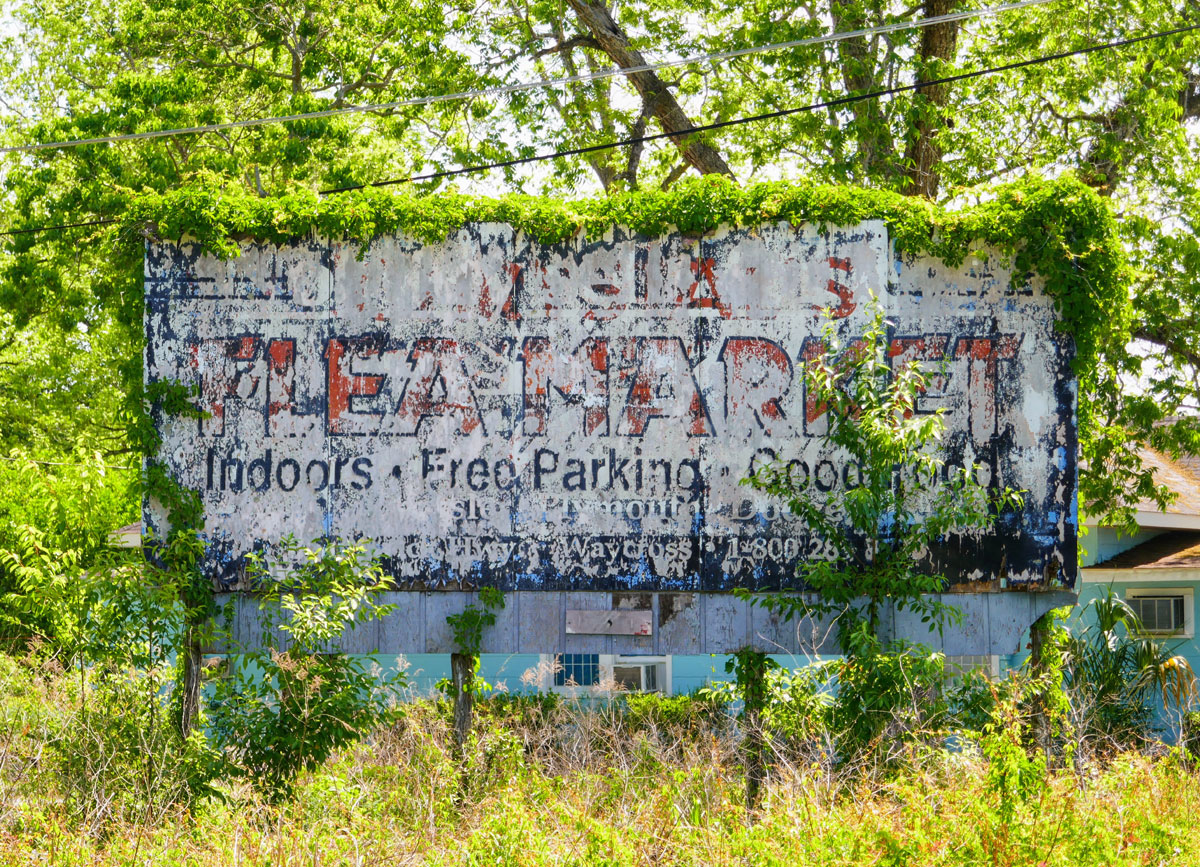




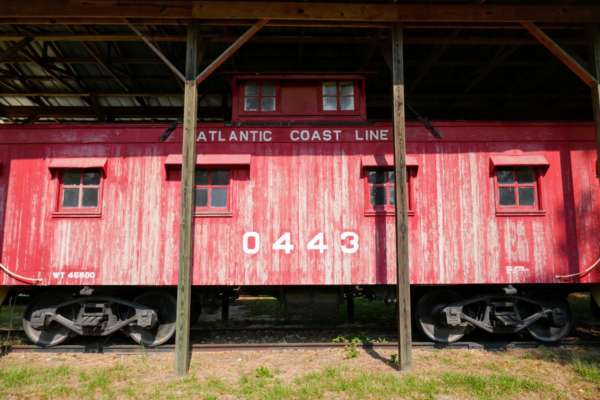
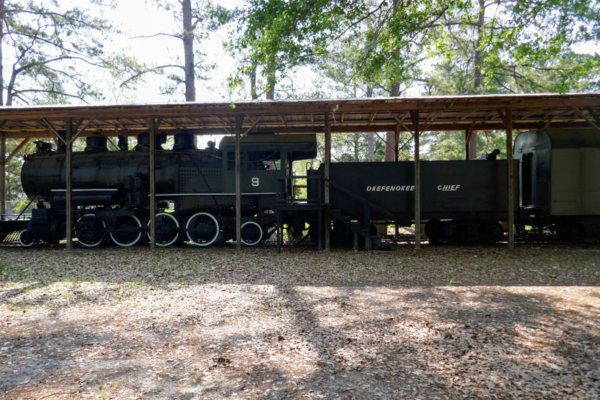

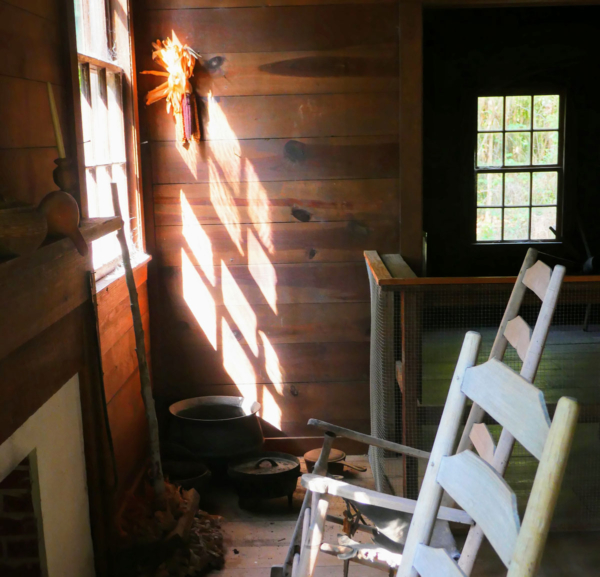
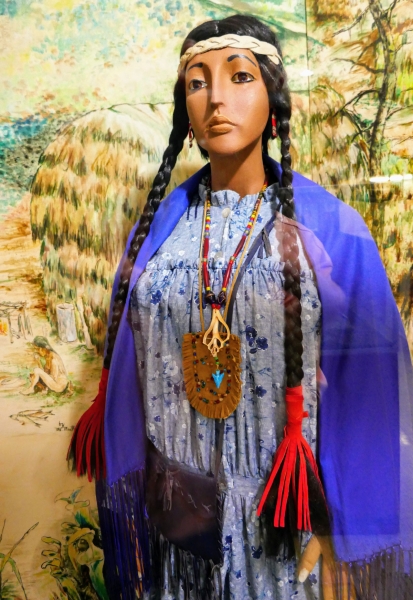
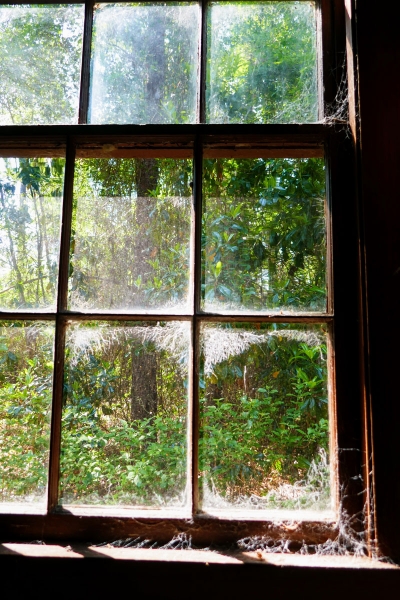
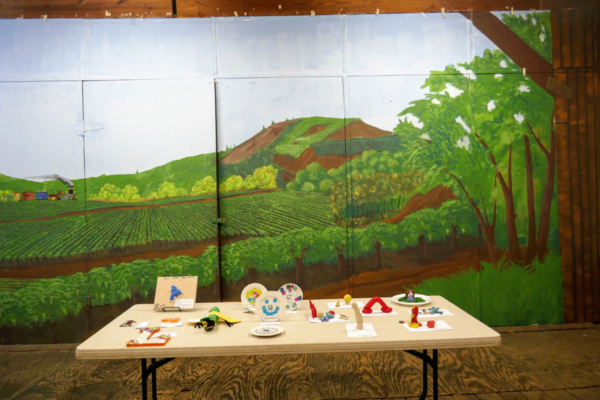
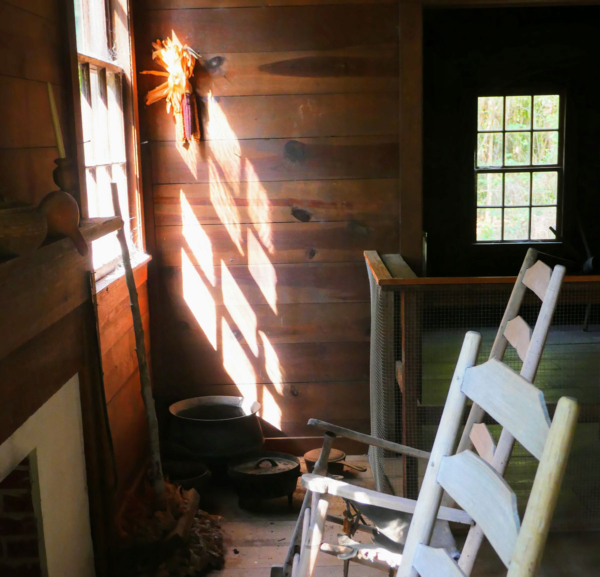
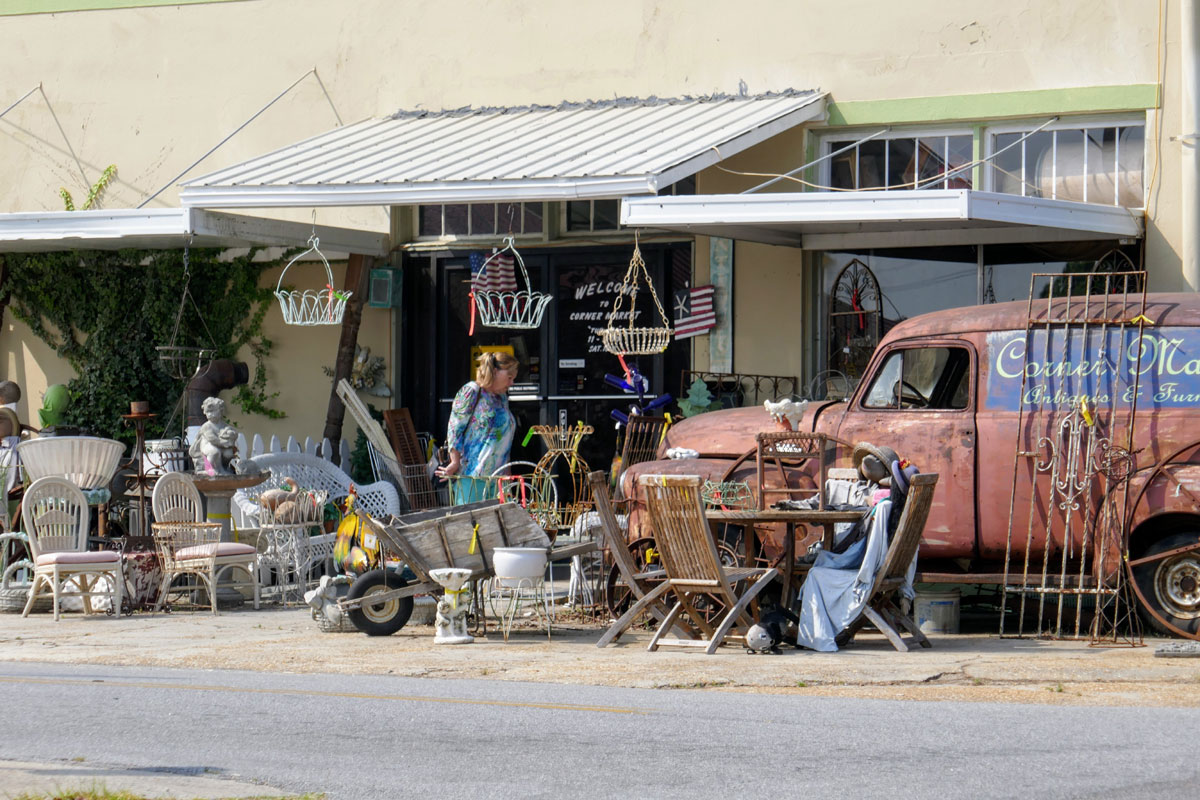
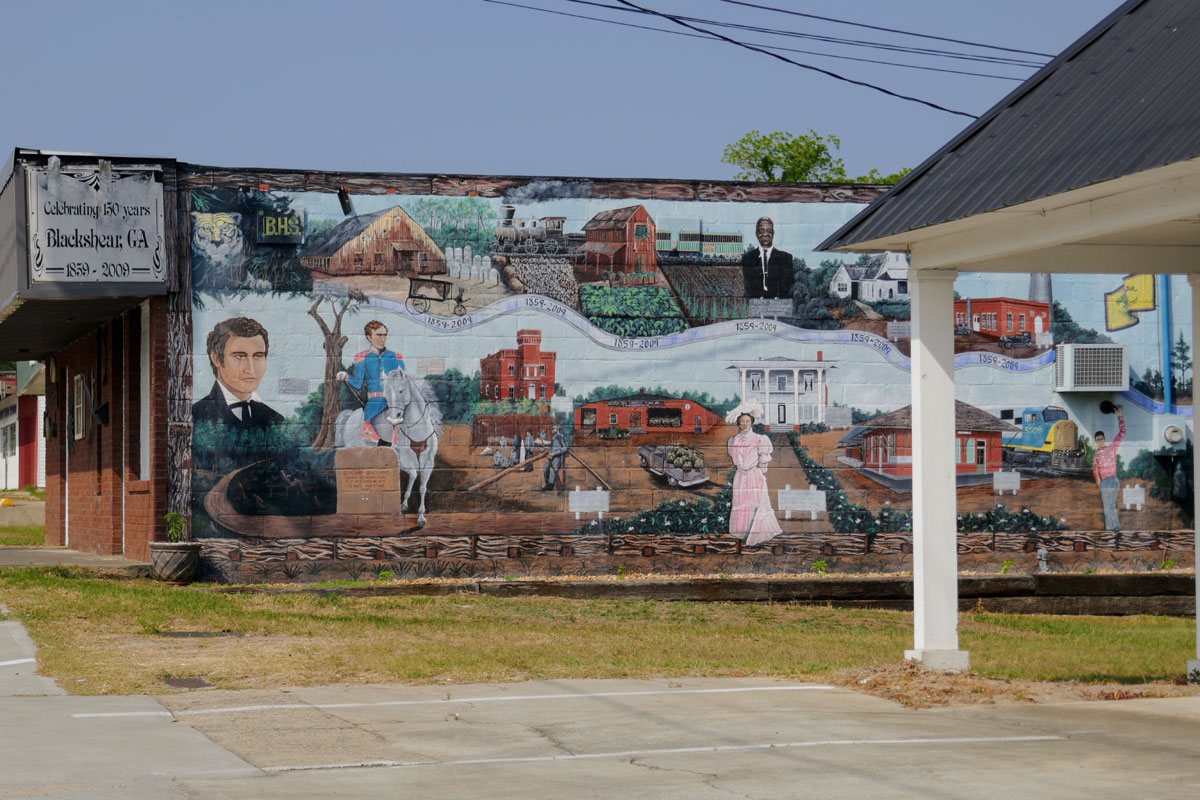
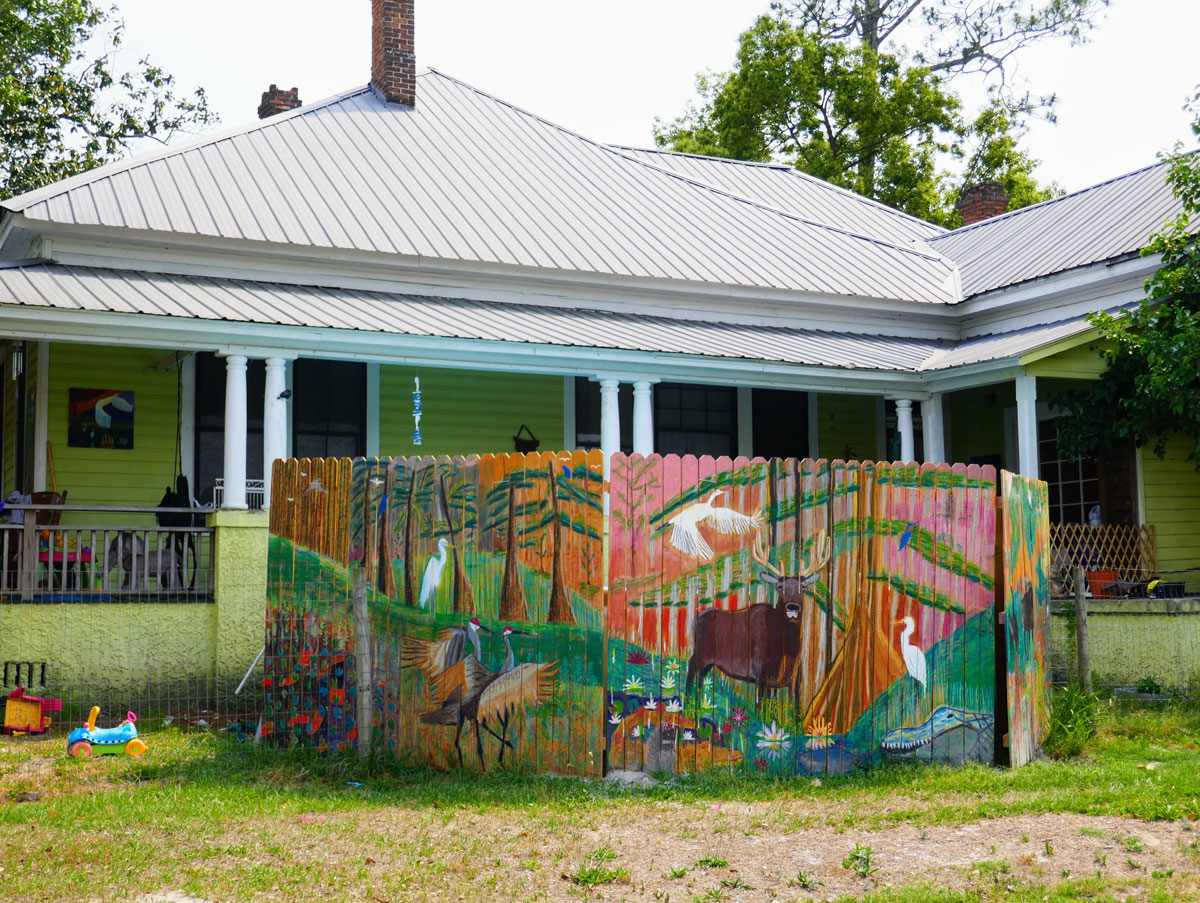




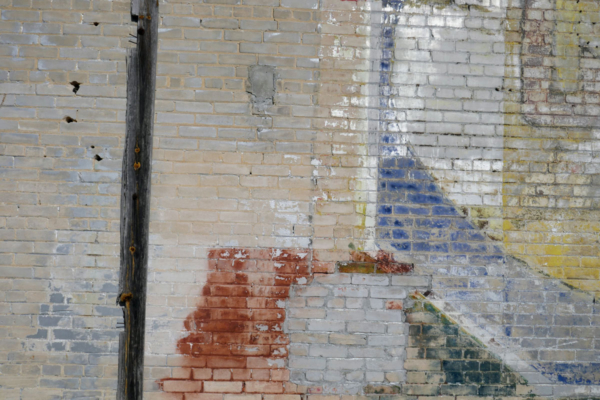
The walls tell stories of Waycross’s heritage.